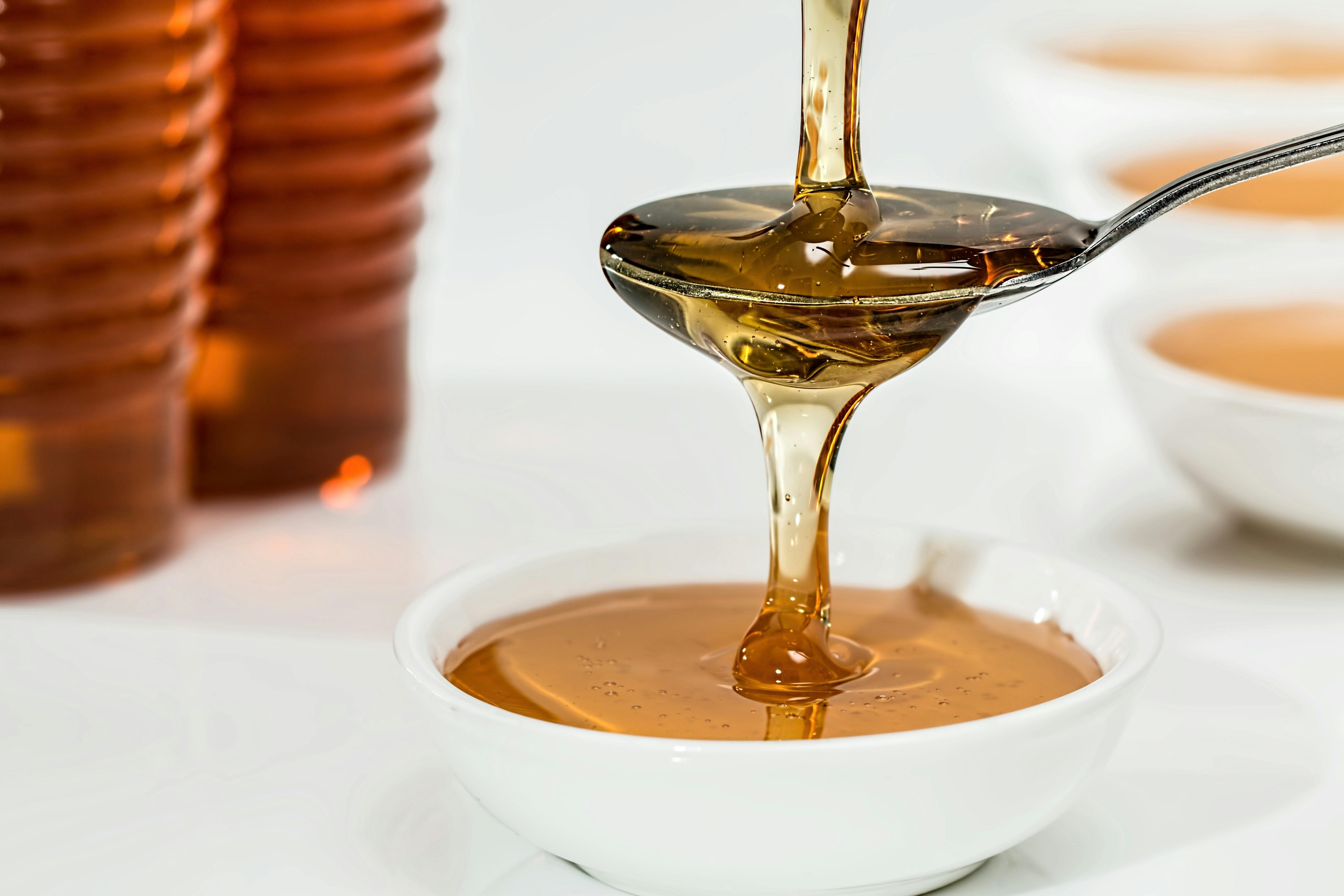
When you feel a little under the weather or are looking for a comforting drink, honey is one of those natural products that you instinctively turn to. Since ancient Egypt, it has been used as an everyday remedy to soothe certain ailments, particularly sore throats, and to provide sweetness and warmth at the end of the day. Whether added to hot herbal tea, eaten by the spoonful, or incorporated into an evening routine, honey offers a unique comforting effect thanks to its sweetness, texture, and nutritional composition rich in enzymes, minerals, vitamins, and fructose.
Did you know that all honeys are different? Each honey has its own personality: depending on the floral origin, the plant pollinated, the pollen, the season, or the hive, its aromas, glycemic index, texture, and even its properties will vary. Some honeys, such as thyme honey, are prized for their antibacterial or anti-inflammatory properties; while others, such as linden or acacia honey, are prized for their sweetness. There is a wide variety of single-flower honeys, each with its own particular benefits or uses in food, skincare, or apitherapy, notably to help relieve sore throats, aid digestion, moisturize the skin, or simply provide a moment of pleasure.
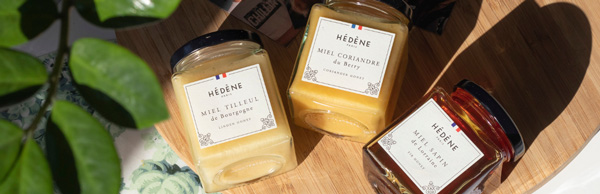
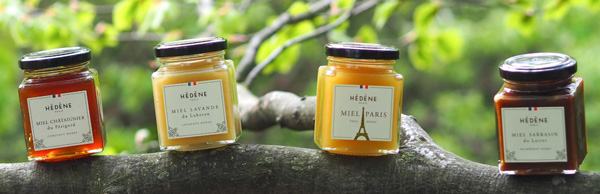
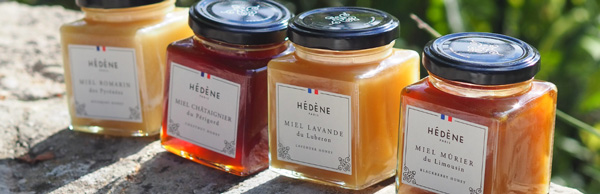
Hédène's single-flower honeys from France perfectly illustrate this diversity: produced using rigorous French honey production methods and with a focus on quality, they are a true treasure of nature. Each jar reveals the richness of its origin, whether it be the character of rosemary honey, the delicacy of acacia honey, or the more assertive notes of forest honey such as chestnut.
Each type of honey is a precious food, to be consumed in moderation, which can improve digestive comfort, support the immune system, reduce stress, or add a gourmet touch to a recipe, pastry, or even tea.
So choosing honey is not just about taste: it's about selecting a natural product that offers something useful, suited to each person and each moment, and which is fully in line with an approach that emphasizes the benefits of honey, health, and pleasure.
What is honey made of?
Honey is a natural product made by bees from flower nectar, a real treasure from the hive whose composition reflects the floral origin and richness of the terroir.
Depending on the plant from which it is gathered—acacia, lavender, chestnut, linden—it has different colors, flavors, and textures, which explains the wide variety of high-quality honeys found in France.
It naturally contains sugar from nectar, including fructose, which gives it a sweetness that is appreciated in food as an alternative to white sugar when consumed in moderation. Honey also contains water, enzymes produced by bees, and traces of minerals or pollen, the content of which varies depending on the type of honey and its origin. Although each jar has its own identity, these common elements make honey a unique food, traditionally associated with many virtues in the history of apitherapy, without it being necessary to attribute any therapeutic effect to it. Known since ancient Egypt and still used in modern cuisine, honey can be used in recipes, infusions, eaten by the spoonful, or simply enjoyed for its sweet, woody, or floral aromatic notes, depending on the honey produced in the chosen region.
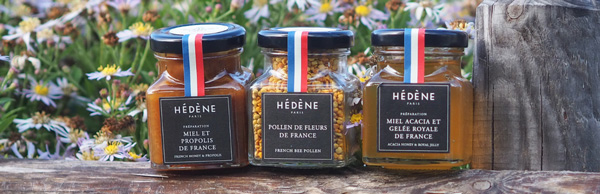
The honey produced by Hédène, cold-extracted and unpasteurized, allows you to see and feel the original quality of the product: pure honey, respected in its structure and preserved in all its aromatic finesse.