Propolis: Properties, Benefits, Uses, and Precautions

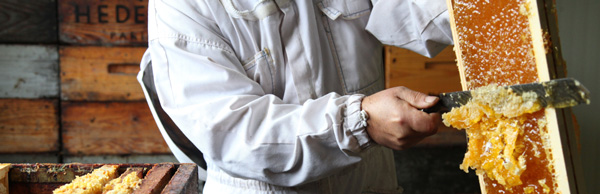
Propolis is one of the most precious treasures derived from the hive. Alongside honey, pollen, and royal jelly, it has been known since ancient times for the many properties attributed to it. Collected by bees from plant substances found on certain trees and buds, this substance helps maintain the colony’s balance and is now attracting growing interest in the field of natural health.

While honey is primarily appreciated for its taste, propolis is drawing more attention for its richness in flavonoids, polyphenols, and other molecules naturally found in plants. Research has increased in recent years to better understand its role and potential applications.

Available as propolis extract, mother tincture, syrup, oral spray, lozenges, or dietary supplements, it is sought after to support winter well-being, bolster the body’s natural defenses, and be incorporated into certain self-care routines. But what exactly is propolis? Where does it come from? What are its main benefits? How can you use it in your daily life? Here’s a comprehensive guide to help you better understand this iconic ingredient in beekeeping.


What is propolis?

Propolis is a substance produced by bees from materials collected from various plants. Worker bees gather substances found on poplar trees, certain birch trees, and various plant species rich in aromatic compounds.

After harvesting, these materials are processed and then combined with beeswax and various secretions produced within the colony. The result is a protective material essential to the proper functioning of the pollinators’ hive.

Within the beehive environment, this material serves several purposes:

  • Sealing certain openings

  • Reinforcing the internal walls

  • Maintaining the colony’s balance

  • Limiting the growth of mold

This function explains why it is often considered a true shield for the hive.

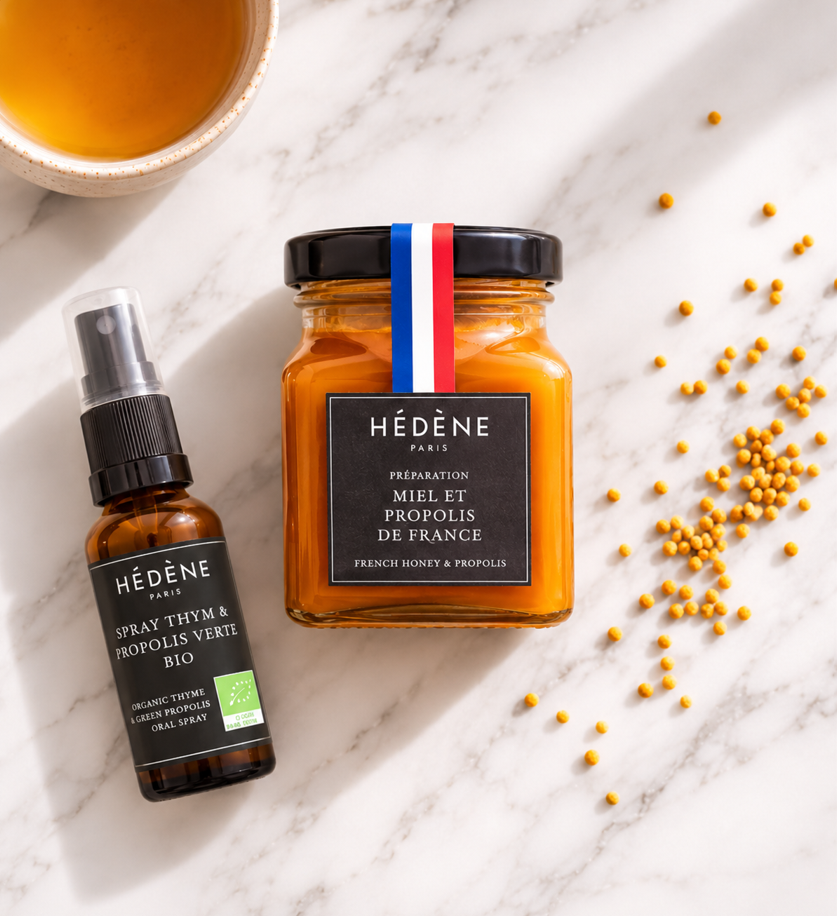
produits-au-propolis

What is the history of propolis?

The history of this ingredient dates back several thousand years.

In ancient times, various civilizations were already familiar with this substance produced by bees. The Egyptians used it in a variety of traditional preparations. The Greeks and Romans also regarded it as an important part of the remedies used in their time.

Over the centuries, its use has been passed down through generations. Even today, it continues to attract the interest of consumers seeking solutions inspired by bee products.

How is this protective material made?

Production begins when worker bees collect certain substances from trees and buds.

The process generally involves several steps:

  • Harvesting plant material

  • Transporting it to the hive

  • Processing by the bees

  • Mixing with wax

  • Using it in different areas of the hive

This origin explains why the composition can vary depending on the region, the available plant species, and environmental conditions.

What is propolis made of?

The composition of propolis is particularly complex.

It generally contains:

  • Aromatic plant substances

  • Wax

  • Essential oils

  • Polyphenols

  • Caffeic acid

  • Vitamins

  • Trace minerals

  • Minerals

  • Various bioactive compounds

Flavonoids are among the most extensively studied components in scientific research. Several in vitro studies have focused in particular on their antioxidant activity and their role in protecting cells against oxidative stress.

Some researchers are investigating the ability of these compounds to neutralize free radicals responsible for premature tissue aging.

What are the properties of propolis?

For a long time, several properties have been associated with this ingredient derived from beekeeping.

The most frequently cited are:

  • Antiseptic action

  • Antibacterial activity

  • Antifungal potential

  • Purifying effect

  • Antioxidant activity

  • Protective action

  • Anti-inflammatory properties

These characteristics explain its inclusion in many dietary supplements, hygiene products, and cosmetic formulations.

Researchers are particularly interested in its interaction with certain bacteria, microorganisms, and viruses observed under experimental conditions.

What are the benefits of propolis?

Support for the Body's Natural Defenses

One of the main benefits is supporting the body's natural defenses.

Many people follow a wellness regimen during the colder months to help their bodies cope during times when they are under greater strain.

This practice is particularly common during seasonal transitions.

A remedy for a sore throat

Products containing this ingredient are highly valued for soothing the throat.

They are available in various forms, including:

These forms are particularly popular during cold season.

Support for Respiratory Well-Being

This ingredient is frequently included in products designed to support respiratory comfort.

It is often taken during episodes of the common cold, seasonal ENT discomfort, or times when the respiratory tract is under increased strain.

A Contribution to Cellular Protection

Thanks to its high content of polyphenols and flavonoids, it has attracted significant interest for its ability to combat oxidative stress.

The antioxidants naturally present in its composition help protect cells from damage caused by free radicals.

How does propolis support the immune system?

Current research focuses on several families of molecules that occur naturally in this substance.

Among the compounds being studied are:

  • Flavonoids

  • Polyphenols

  • Caffeic acid

  • Certain aromatic substances

  • Various plant-based active ingredients

These components explain the interest in propolis as an ingredient in immunity-boosting formulations.

Although the exact mechanisms are still being studied, this molecular richness contributes to its popularity in dietary supplements designed for the winter season.

The Benefits of Propolis for the Skin

The skincare and cosmetics industry also uses this ingredient in many formulations.

A purifying effect

The purifying properties traditionally associated with this ingredient explain its inclusion in various products designed for blemish-prone skin.

It may be used in the following products:

  • Soaps

  • Lotions

  • Creams

  • Serums

  • Targeted treatments

For those with acne-prone skin

Cosmetics manufacturers regularly include it in products designed for skin prone to blemishes or acne.

This use is one of the best-known applications in the cosmetics industry.

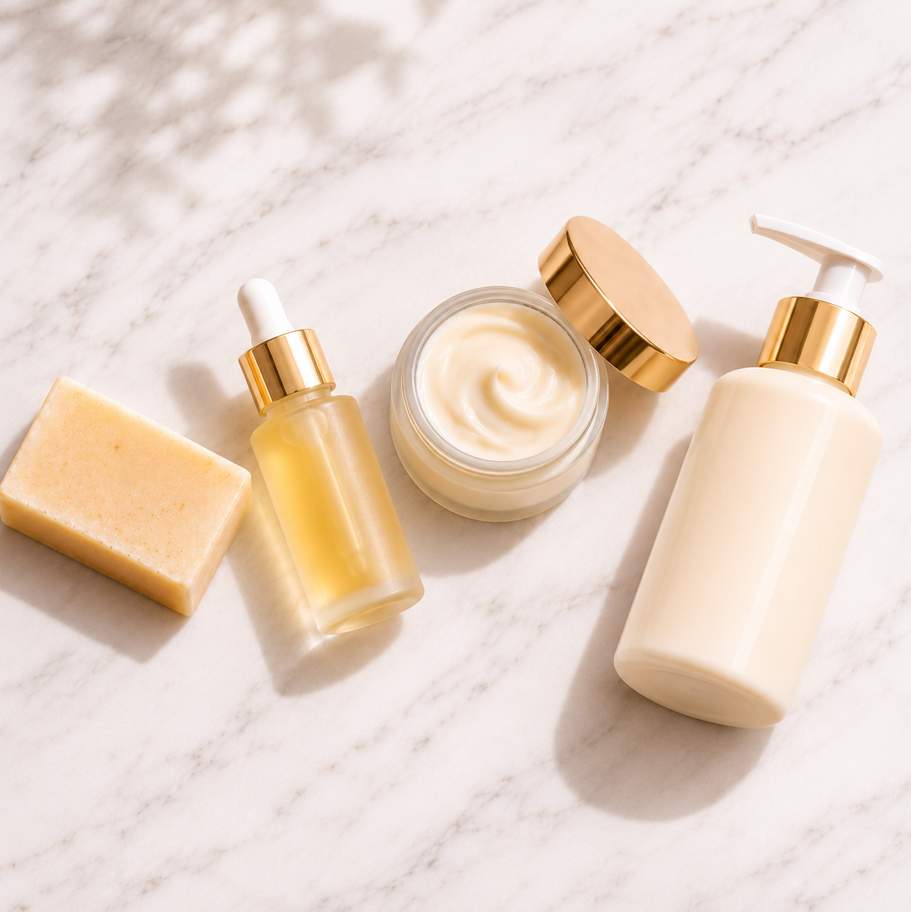
produits-cosmétiques

A skin repair aid

Traditionally, certain preparations containing this ingredient were used to aid in the healing of small wounds, superficial irritations, or minor burns.

Daily protection for the skin

Its inclusion in various formulations is also intended to help maintain the skin's comfort in the face of external stressors.

Benefits for the Mouth and Gums

Oral care is another area where this ingredient is particularly prevalent.

It is found, in particular, in:

  • Mouthwashes

  • Toothpastes

  • Gum gels

  • Oral hygiene solutions

This popularity can be attributed to the properties traditionally associated with this raw material derived from beekeeping.

Why is propolis often used in the winter?

Winter is the time of year when propolis-based products are most popular.

There are several reasons for this popularity:

  • Seasonal fatigue

  • Lower temperatures

  • Recurring ENT issues

  • Cold season

  • The search for additional support

It is also during this season that people most frequently take propolis supplements.

Green, brown, red, and black propolis: What are the differences?

Not all propolis has exactly the same profile. Its color, botanical origin, and concentration of certain compounds can vary depending on the plants available around the apiaries.

Brown propolis

Brown propolis is the most common type in France and Europe. It is primarily obtained from materials harvested from poplar trees. It is the variety best known to the general public and the one most frequently found in dietary supplements, liquid solutions, and products designed for the cold season.

Green propolis

Produced primarily in Brazil, green propolis comes from a specific plant called Baccharis dracunculifolia. Its profile differs from that of European varieties, which explains why it appeals to certain consumers.

Red propolis

Red propolis, which is rarer, is associated with plants found in certain tropical regions. Its distinctive color is due to its unique botanical origin.

Black propolis

Black propolis is generally obtained through concentration processes that result in a higher content of active compounds. It is frequently used in premium products and in certain supplements intended for seasonal treatments.

How do you use propolis?

Today, there are many different forms available that make it easy to incorporate this ingredient into your daily routine.

Liquid extracts

Propolis extract is one of the most popular forms of the product. A few drops can be added to a glass of water or a beverage, following the manufacturer's instructions.

The mother tincture

The mother tincture is a traditional remedy prized by enthusiasts of beekeeping products.

Throat Remedies

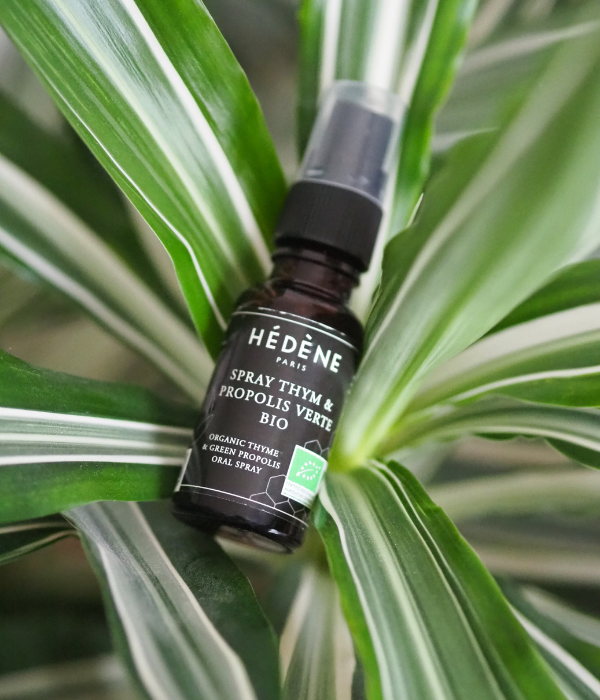
Spray formulations are among the most popular during periods of extreme cold. They are often chosen when the throat becomes sore.

Lozenges and chewable forms

Easy to carry, these packages are ideal for people who want a convenient solution throughout the day.

Syrups

Widely used in winter preparations, they are often combined with other plant-based ingredients.

Capsules and tablets

These formats generally allow for simple and consistent dosing, which is particularly appreciated during seasonal treatment regimens.

What is the recommended dosage?

The dosage depends on several factors:

  • The age of the person taking the product

  • The concentration of the product

  • The method of administration

  • The manufacturer’s recommendations

  • The duration of treatment

In any case, it is best to follow the instructions on the packaging and consult a healthcare professional if you have any questions.

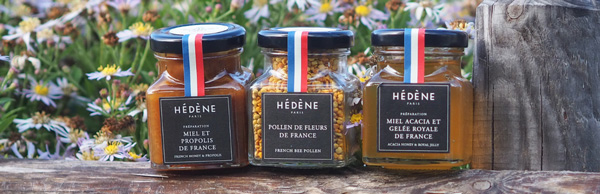
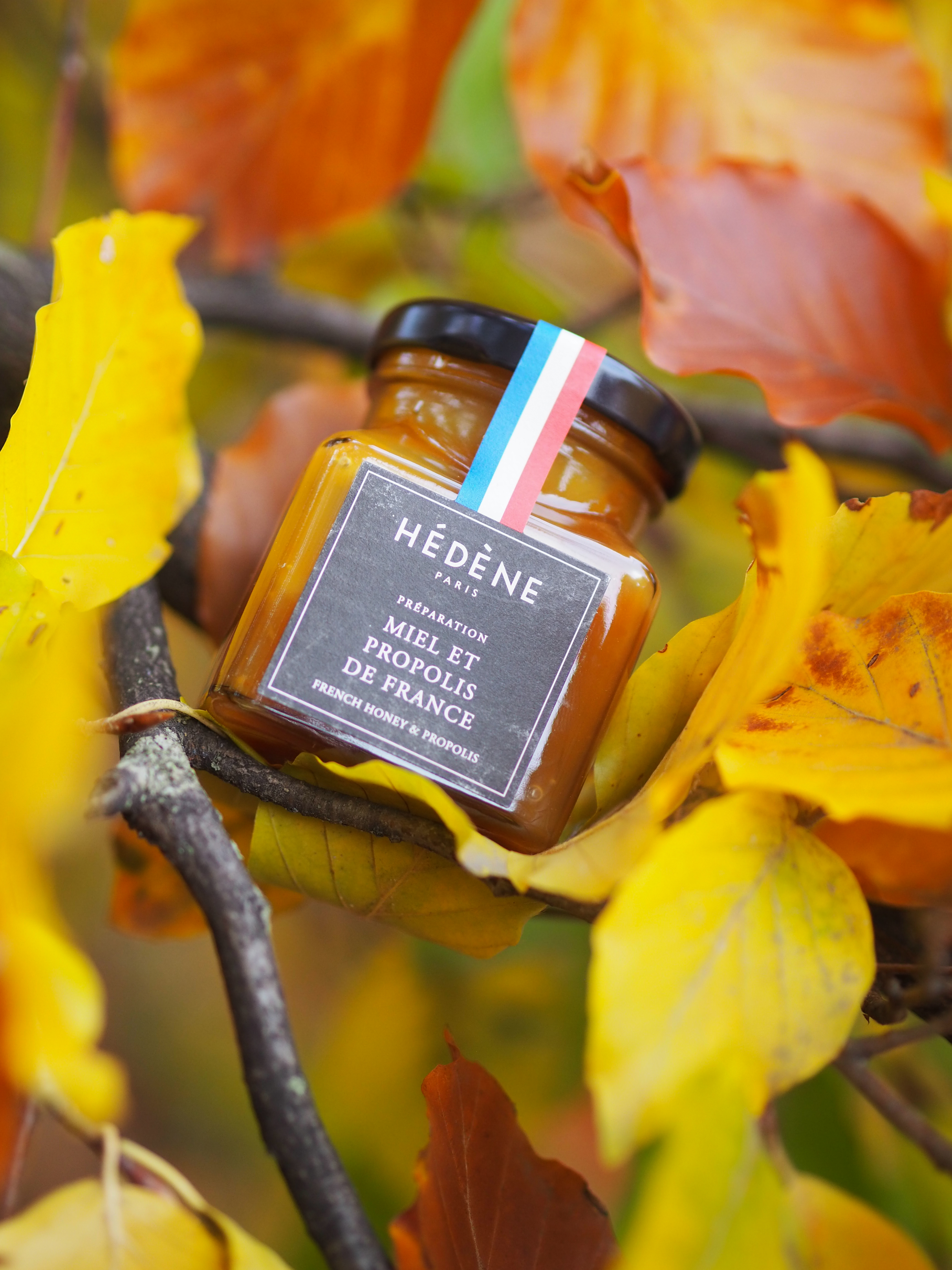
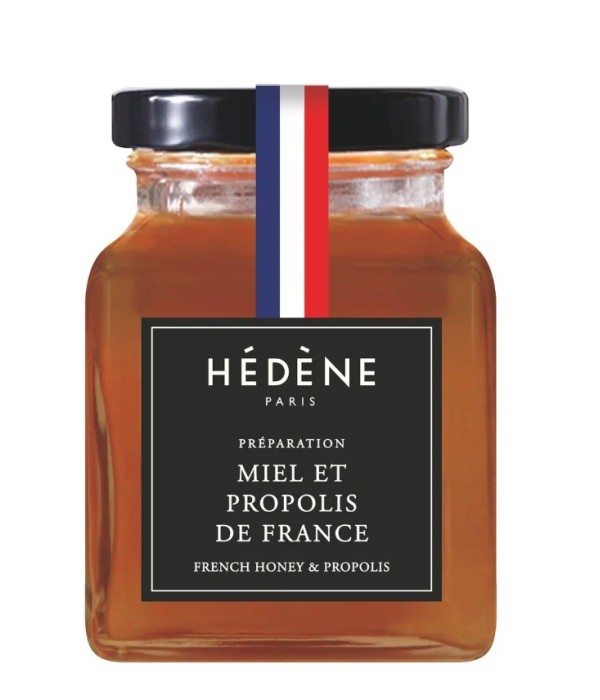
miel-et-propolis-de-france-produit

Honey and propolis: a particularly popular combination

Beekeeping experts regularly combine honey with this ingredient in various formulations.

This combination offers several benefits. Honey provides a pleasant texture and a mild flavor, while the plant compounds collected by bees enrich the formula.

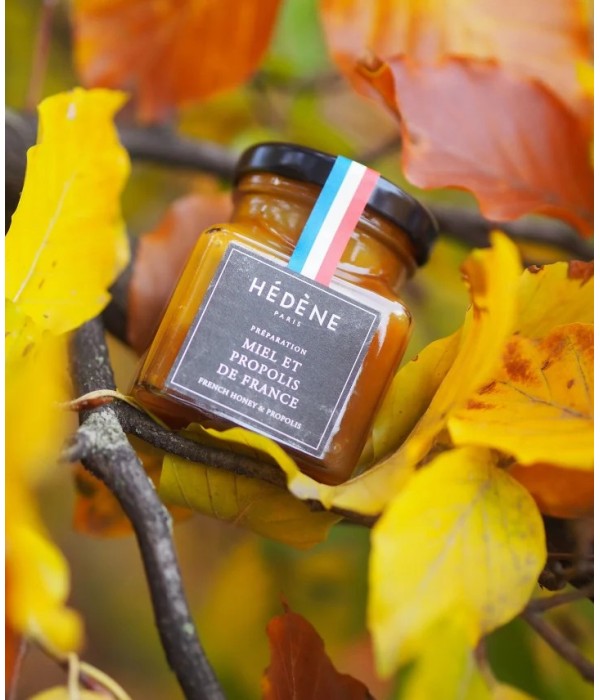
Certain formulations made with honey enriched with organic French black propolis are gaining popularity among consumers. They make it easy to incorporate several bee products into a single daily dose.

This type of formulation also offers an attractive alternative for people who prefer to avoid tablets or more concentrated liquid solutions.

Which propolis-based products should you choose?

There are many products available on the market today.

The most common options are:

  • Propolis extract

  • Liquid solution

  • Mother tincture

  • Lozenges

  • Syrup

  • Capsules

  • Tablets

  • Honey-based preparations

  • Cosmetics

  • Raw propolis for sucking

The choice depends mainly on personal preferences, the desired method of consumption, and the type of treatment regimen being considered.

What Studies Say About Propolis

Scientific research on this topic has increased significantly in recent years.

Researchers are particularly interested in:

  • Flavonoids

  • Polyphenols

  • Caffeic acid

  • Aromatic compounds

  • Mechanisms related to oxidative stress

Laboratory and in vitro studies also analyze potential interactions with certain bacteria, molds, viruses, and other microorganisms.

This research provides a better understanding of the interest in this ingredient that has existed for several centuries. However, results observed in an experimental setting do not always allow us to predict the effects seen in humans in real-world applications.

A major player in the cosmetics industry

Beyond dietary supplements, this ingredient is now widely used in the cosmetics industry.

It is found in particular in:

  • Purifying creams

  • Balms

  • Lotions

  • Face masks

  • Products for acne-prone skin

  • Hand care products

  • Certain body care products

Manufacturers particularly appreciate its versatility and compatibility with many plant-based active ingredients.

Is it possible to go on a detox?

Yes. Health regimens are among the most common practices.

The most popular times to follow them are:

  • Fall

  • Winter

  • Seasonal transitions

  • Periods of temporary fatigue

A health regimen typically lasts several weeks, depending on the manufacturer’s recommendations.

The goal is usually to support the body when its needs are greatest.

What are the possible side effects?

Propolis is generally well tolerated.

However, some people may experience:

  • Local irritation

  • A sensation of discomfort in the mouth

  • An allergic reaction

  • Redness

  • Mild digestive upset

These effects are relatively rare but warrant some caution.

What precautions should be taken before use?

In case of an allergy

People with allergies to bee products should exercise caution.

During Pregnancy

Pregnant or breastfeeding women should consult a healthcare professional before beginning a treatment regimen.

For children

Use in young children also requires certain precautions. Professional advice can help determine the most appropriate form and dosage.

In the event of medical treatment

As a precaution, anyone undergoing regular medical treatment should consult their doctor or pharmacist before use.

Propolis may help relieve certain ailments, but it is not a substitute for any antibiotics that may have been prescribed to you.

How can you tell if propolis is high-quality?

Several criteria can guide your choice:

  • Clearly indicated origin

  • Harvested under optimal conditions

  • Full traceability

  • Organic certification when possible

  • Transparency from the manufacturer

  • Rigorous quality control

The beekeeper’s role remains essential in this process, since harvesting conditions directly influence the quality of the raw material.

Don’t hesitate to contact an expert beekeeper to reduce the risk of purchasing a poor-quality product.

Propolis, honey, pollen, and royal jelly: What are the differences?

These resources, derived from the hive's stores, are complementary but serve distinct functions.

This distinction provides a better understanding of the specific uses of each beekeeping resource.

FAQ: Frequently Asked Questions

Can this ingredient be eaten year-round?

Yes, provided you follow the instructions on the product you have chosen.

When is the best time to do a detox?

Most consumers prefer the colder months.

Which shape should you choose for throat comfort?

Lozenge, syrup, and spray formulations are among the most popular options.

Can it replace medical treatment?

No. This ingredient is not a substitute for the advice of a healthcare professional or for treatment prescribed by a doctor.

Can it be combined with other bee products?

Yes. It is commonly combined with honey, pollen, or royal jelly as part of a wellness routine.

Key Takeaways

Propolis is a substance produced by bees from plant materials collected from various trees. Used for hundreds of years, it remains one of the most valued ingredients in the world of beekeeping today, thanks to its high content of flavonoids, polyphenols, and other bioactive compounds.

Found in dietary supplements, winter wellness products, oral hygiene products, and cosmetic skincare and other treatments, it continues to attract interest from both researchers and consumers.

Available as propolis extract, mother tincture, lozenges, capsules, or combined with therapeutic honey enriched with organic French black propolis, it can easily be incorporated into a daily routine tailored to individual needs. To fully benefit from its properties, it is recommended to choose traceable, certified products that comply with usage guidelines to maximize its benefits.

bannière-produits-propolis-pollen