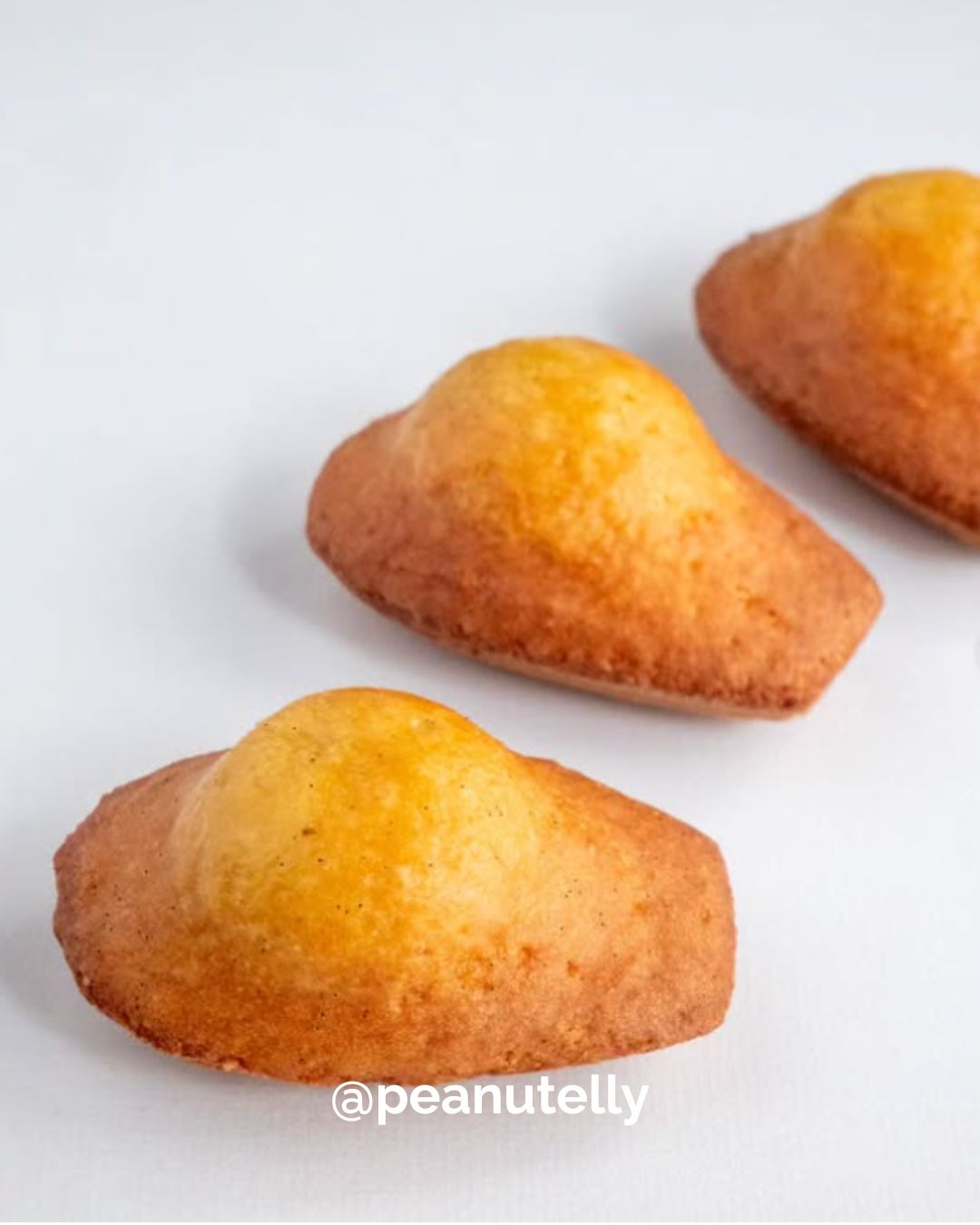
Madeleines… these iconic little French cakes, soft and delicately flavored, can instantly evoke childhood memories. They bring to mind a leisurely breakfast, an afternoon tea, a gourmet coffee, or even an impromptu sweet treat with a last-minute guest. Their iconic shape, golden brown when fresh from the oven, their slightly buttery texture, and the simplicity of their recipe make them one of the treasures of French pastry.

With just a few essential ingredientsmelted butter, powdered sugar, an egg, wheat flour, a pinch of salt, a packet of baking powder, and sometimes a touch of honey you get a soft and fragrant batter that, after a proper oven preheating, transforms into a cake that is as humble as it is exceptional.

Depending on their preferences, everyone can add their own personal touch: a zest of fresh lemon, a few drops of vanilla or orange blossom extract, a melted chocolate center, a hint of coconut, or even a tablespoon of honey for a sweeter, naturally fragrant version. Chefs and home cooks alike love to play with these variations, creating madeleines with honey, salted butter, lavender, or even easy recipes revisited with orange blossom.

These madeleines, which originated in France during the Middle Ages, have stood the test of time without ever losing their charm. They transcend trends and fads: they are among those timeless treats that we love to share unconditionally, a simple pleasure that can be prepared in minutes and is often savored all too quickly. Everyone cherishes a madeleine that resonates with them, sometimes even their own Proustian madeleine, the one that evokes a sweet moment, a home, a familiar scent.

And perhaps that's their secret: behind the apparent simplicity of the recipe lies comfort, warmth, and emotion. A madeleine is more than just a cake. It's a little piece of tradition, family, and sweetness that we love to discover, make week after week, and keep in an airtight container to prolong the pleasure… before baking a new batch. 

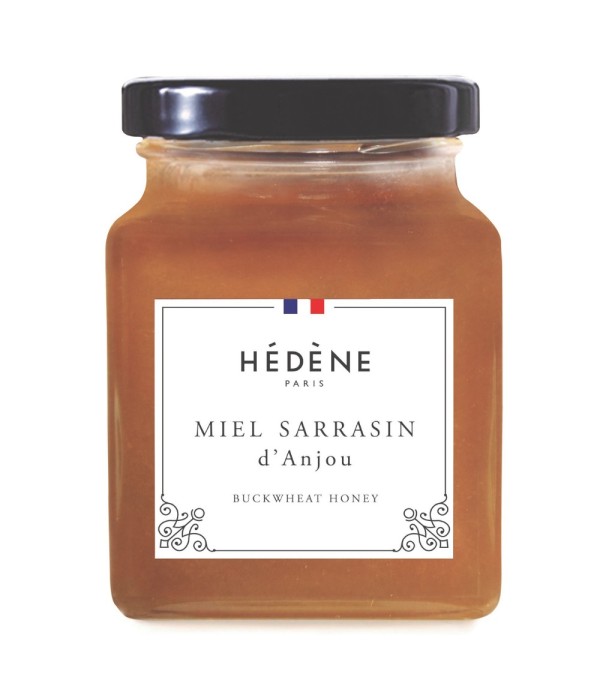
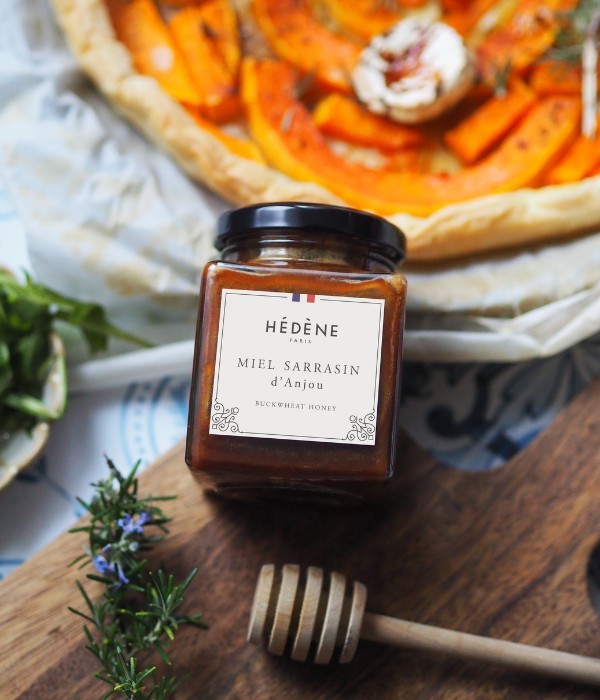
In this article, we offer an easy honey recipe, a modern twist on classic madeleines that showcases an exceptional product: Hédène buckwheat honey. This rare honey, produced in the Anjou region of France, boasts a unique aromatic intensity thanks to its warm, almost caramelized notes. A true discovery for many, it recently won over a passionate pastry chef on Instagram, who created a simple yet exceptional French madeleine recipe.

Today, we're sharing her preparation, designed to guarantee a moist, fragrant, and perfectly balanced result.

Here's how Élodie describes her madeleines:

"Madeleines are kind of the foundation of pastry for me. Extremely simple to make, but technically there are rules to follow, otherwise they'll be a disaster.

But this recipe... I don't know what's so special about it, but I always get a perfect hump and they stay soft for days.

And since I like to have fun with the classics, I tried a buckwheat honey and vanilla version to test a different honey, the Hédène honeys." 

Essential ingredients for buckwheat honey madeleines
Semi-salted butter: 90 g Buckwheat honey: 15 g Whole eggs: 2 Granulated sugar: 2 g Vanilla pod: 3 g All-purpose flour (T55): 90 g Baking powder: 4 g

Buckwheat honey: flavor, intensity and benefits

Hédène buckwheat honey is distinguished by its strong aromatic profile and quality, stemming from harvests sourced from select French terroirs.

This honey is characterized by a brown to dark brown color, sometimes with intense russet hues. Its texture is creamy and smooth, dense and velvety, making it particularly pleasant to use in cooking.

Hédène buckwheat honey develops a distinctive aromatic bouquet characterized by:

notes of rich, indulgent coffee, very present and typical of this variety;

woody aromas sometimes associated with hints of undergrowth or earth;

more subtle touches of caramel or licorice, depending on the harvest.

On the palate, this honey offers a full-bodied and robust taste, with a long, lingering finish. Depending on the terroir, the intensity varies slightly:

those from Anjou are powerful, woody, and without bitterness; those from Loiret have a pronounced, highly aromatic flavor; Those from Berry are a little more moderate, but remain persistent at the end of the mouth.

Possible alternatives if buckwheat honey is unavailable

If you don't have buckwheat honey for your recipes, you can substitute other honeys while maintaining a similar aromatic profile. Buckwheat honey is distinguished primarily by its dark color, robust flavor, and woody or rich coffee notes; the alternatives below are therefore based on honeys offering a similar intensity.

1. Chestnut honey

Chestnut honey is one of the closest substitutes. Like buckwheat honey, it has a strong flavor, woody notes, and a slight or absent bitterness depending on the variety, making it an excellent choice in pastries or for preparations requiring a honey with character.

2. Heather honey

White heather honey is often cited as being comparable in intensity to buckwheat honey, with a robust aromatic profile, a dark color, and a thick texture. It reproduces quite well the depth of flavor sought in buckwheat-based recipes.

Step-by-step recipe for buckwheat honey madeleines

Preparing the dough (the day before)
Melt the butter and honey in a saucepan, then remove from the heat and set aside. In a tall bowl, blend the eggs, sugar, and scraped vanilla bean with an immersion blender for 1 minute. Add the sifted flour and baking powder, blending as little as possible. Then add the melted butter and honey, again blending as little as possible. Transfer the batter to a piping bag. Refrigerate overnight.
Ingredients for the vanilla frosting:
Warm water: 350 g Icing sugar: 650 g Vanilla pod: 1/2
Preparing the vanilla frosting
Scrape the seeds from half a vanilla bean. In a bowl, mix: icing sugar warm water vanilla seeds + the scraped bean (for extra flavor if you like) You'll get a smooth, vanilla-flavored glaze, perfect for coating madeleines as soon as they come out of the oven.
The dough must rest.
Resting the madeleine batter is essential to hydrate the flour, develop the flavors, and create a thermal shock during baking. Cold batter placed in a hot oven results in a soft texture and the characteristic hump of madeleines.
Preparation for the big day
Preheat the oven to 240°C (475°F) for 10 minutes. Pour the batter into greased and floured molds. Reduce the oven temperature to 150°C (300°F) and bake for 13–15 minutes. Meanwhile, prepare the glaze. Remove the cakes from the molds immediately and let them cool at an angle in the mold. Glaze the cakes while they are still warm using a brush. Let them air dry.

These soft and delicately flavored vanilla and buckwheat madeleines offer a perfect balance between the sweetness of vanilla and the richness of buckwheat honey. Thanks to their crisp glaze, they reveal a unique texture that enhances every bite. Prepared over two days, the delicious result is well worth the effort. All that's left to do is savor these homemade treats… and make them again very soon!

FAQ about buckwheat honey madeleines

Why put honey in madeleines?
Here are the most common mistakes, even among experienced cooks: Overmixing the batter, which prevents it from becoming smooth, light, and even. Not sifting the wheat flour or using expired baking powder. Neglecting to refrigerate the batter, which is essential for achieving the characteristic hump and controlling the rise. Using an inappropriate baking temperature: preheating the oven is crucial to create the thermal shock. Forgetting to butter and flour the madeleine pan, which makes unmolding difficult and ruins the shape. Incorporating butter that is too hot: warm melted butter is essential to prevent the eggs from cooking prematurely. These errors affect the taste, texture, and even the final calorie count (kcal) of the cake.
How do you get the hump on madeleines?
The secret lies in a simple and foolproof trio: Resting the batter in the refrigerator, ideally overnight: this chilling solidifies the butter and improves the rise. Preheating the oven to a very high temperature (in France, many chefs recommend 230–240°C). Gradually lowering the temperature once the madeleines are in the oven, creating the famous thermal shock. This combination is what gives them their characteristic hump, a sign of perfectly baked madeleines—a chef's trick that works just as well for a classic recipe as it does for chocolate, coconut, lemon, lavender, or orange blossom versions.
How to get nicely risen madeleines?
To make generous, light, and perfectly risen madeleines: Use a well-emulsified egg and sugar mixture, sometimes called a "whitened mixture." Gradually incorporate the warm, melted butter to obtain a smooth batter. Add a pinch of salt and, if desired, lemon zest to enhance the flavor. Fill the molds only three-quarters full: overfilling will prevent them from rising properly. Respect the baking time, which will vary depending on whether the recipe contains milk, almond milk, melted chocolate, or buckwheat flour, for example. Bake quickly after removing the batter from the refrigerator to maintain the thermal shock and achieve a beautiful golden color. With these tips, you'll get golden, fragrant, light madeleines, perfect for surprising a guest with coffee, tea, or at the end of a meal.