What are the best honeys in France ?

When you browse in a store, whether it's a supermarket, an organic grocery store, or a gourmet shop, you'll discover a wide selection of honeys: different origins, flower varieties, regions of France, and even organic honeys. There's acacia honey, linden honey, buckwheat honey, lavender honey, organic spring thyme honey, wildflower honey, and even rare honeys like Manuka honey from New Zealand. In short, the choice can sometimes seem endless.

But when faced with this diversity, one question often arises: how do you choose the right honey for your needs?


Do you want a mild honey for breakfast, a more aromatic honey to sweeten herbal tea, a honey known for its soothing properties, or a product prized for its antibacterial properties, like Manuka?

The quality of honey depends on many factors: its origin, the dominant flower, its texture, its color, its natural glucose and fructose composition, but also the beekeeper's work and respect for the bees. Choosing real honey, an authentic product of the hive, also means avoiding fraud, which unfortunately still exists on the global market.

Each jar of honey offers a unique flavor, linked to the region where it was harvested: Provence honey, mountain honey, chestnut honey, heather honey, and so on.

Each variety has specific properties: some are perfect for health, others for the skin, or even for boosting the immune system.

Ultimately, choosing the right honey means taking into account your needs, your tastes, but also the producer's reputation, the price, whether it's from France or abroad, and the quality criteria that make all the difference between an ordinary product and a true natural treasure.

In this article, we'll help you find the best honey. 

Les différents types de miels

The different types of honey

There are several types of honey, and before helping you choose the right one, we'll explain the simple difference between them.

Monofloral honey comes primarily from a single flower, such as acacia, lavender, thyme, or chestnut, giving it a unique flavor.

Polyfloral honey, on the other hand, comes from a variety of flowers and offers a milder, more balanced profile.

As for honeydew, it doesn't come from nectar but from trees: a darker, richer honey prized for its natural properties, especially for soothing a sore throat. 

Monofloral honeys

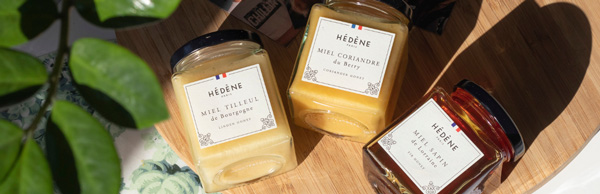
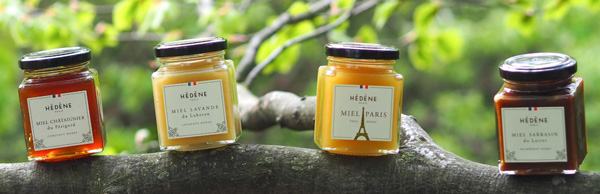
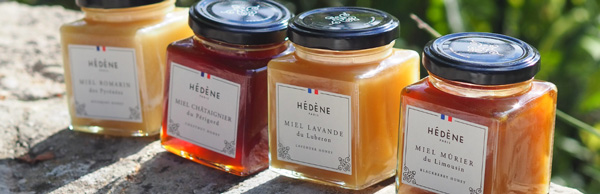
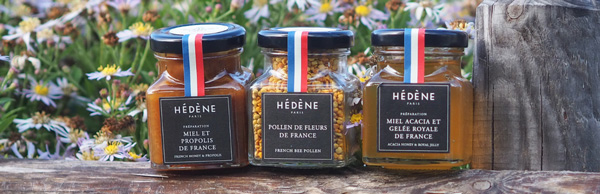
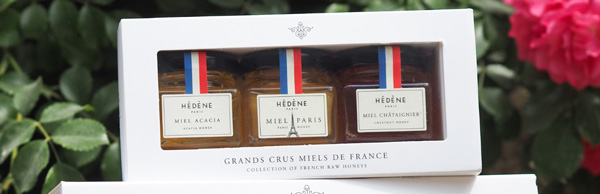
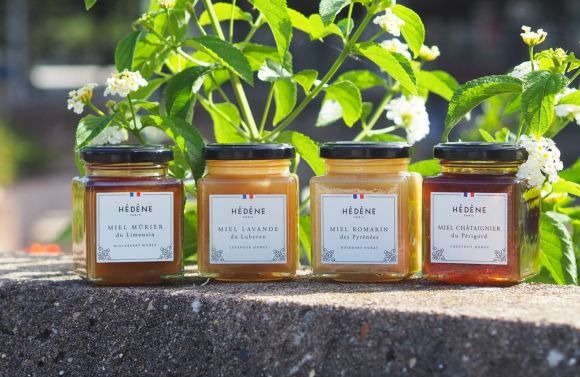
Monofloral honeys are often discussed, and that's precisely the specialty of our Hédène brand. Among our varieties, you'll find buckwheat honey, prized for its robust flavor and dark color; lavender honey, renowned for its sweetness and aromatic fragrance; and acacia honey, a true French classic, appreciated for its liquid texture, naturally sweet taste, and that touch that often evokes childhood memories. It's a versatile hive product that consumers love to use at breakfast or in their everyday lives.

Each jar of monofloral honey has a unique flavor, directly linked to the flower from which it comes, its French origin, the quality of the honey, and the beekeeper's work. These natural honeys, harvested in different regions, offer numerous benefits, particularly for the throat, skin, and overall health.

Choosing this type of honey also means choosing real honey, a natural product without pesticides, from controlled French production, which also helps to avoid fraud, which is very present in the world of imported honey. 

Wildflower honeys and honeydew honeys

En plus de nos miels monofloraux, nous proposons aussi des miels polyfloraux, comme le classique miel toutes fleurs, bien connu des consommateurs et souvent plus facilement disponible. Ces miels sont généralement plus abordables et largement présents dans la production de miel en France.

Un miel polyfloral, c’est tout simplement un miel élaboré à partir du nectar de plusieurs fleurs. Cette variété florale lui donne un goût doux, une saveur subtilement aromatique et une texture agréable, ce qui en fait un produit de la ruche polyvalent, apprécié aussi bien au petit déjeuner que dans une utilisation plus pratique au quotidien.

Ce type de miel est très apprécié pour son profil floral, sa couleur naturelle et ses bienfaits, notamment pour la gorge ou la santé en général. Il reste un choix idéal pour celles et ceux qui souhaitent profiter d’un vrai miel de qualité, récolté par des apiculteurs français, tout en évitant les risques de fraude présents sur le marché mondial. 

Les meilleurs miels pour la santé

When we think of honey, we often associate it with a natural product with almost miraculous benefits, capable of relieving numerous ailments. However, some honeys are truly more effective than others for health, depending on their origin, composition, and natural properties. We'll introduce you to a few of them.

Top health

After a karaoke night or dancing in the rain, a sore throat can quickly set in. At times like these, thyme honey and linden honey are among the best honeys to soothe your throat.

Harvested in France by dedicated beekeepers, these hive products offer recognized benefits: antibacterial properties, aromatic flavors, a smooth texture, and natural quality without pesticides or added syrup. Their subtle aroma makes them a perfect treat to soothe a sore throat and support overall health, all while enjoying truly authentic honey.

Monofloral honey comes primarily from a single flower, such as acacia, lavender, thyme, or chestnut, giving it a unique flavor.

Which honey contains the least sugar?

To answer this question, it's important to remember that all honeys are primarily composed of glucose and fructose, sugars naturally present in flower nectar. No honey is "light" or "low-fat": only the proportion of these two sugars varies depending on the flower of origin.

Liquid honey and creamed honey: no difference in sugar content

To choose a honey that tastes less sweet, you need to look at the flower it comes from, because it's the ratio of fructose to glucose that changes the taste, not the honey's texture. A runny honey is therefore not necessarily less sweet than a creamy one.

Honeys rich in fructose, like acacia honey, have a much milder taste: they are the honeys that taste the least sweet.

Conversely, honeys like lavender or heather, which are richer in glucose and have a more pronounced flavor, taste sweeter even if the total sugar content is similar.

In short: the least sweet-tasting honey is acacia, and honeys like lavender or heather taste sweeter. 

How to choose a good honey ?

Read the label

The first step in choosing good honey is to read the label carefully.

Here are the essential elements to check:

Origin: Opt for honey from France or a clearly indicated region (e.g., Provence, Burgundy). The phrase "blended EU/non-EU honeys" lacks transparency.

Variety: Acacia, lavender, linden, heather, thyme, wildflowers… The original flower influences the taste, texture, and properties of the honey.

The word "honey" alone: ​​True honey needs no additives. No list of ingredients should appear.

The phrase "harvested and jarred by the beekeeper": This is a sign of quality and traceability.

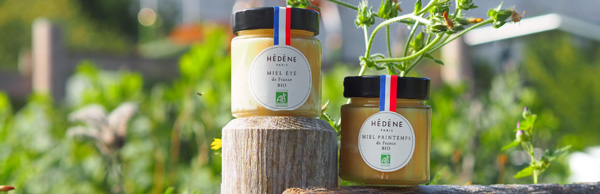
Labels (if present): Organic, PGI, PDO… These guarantee a certain level of quality, even though honey without a label can be excellent.

Reading the label already helps to avoid a large proportion of products that are too mixed or modified.

Recognizing authentic honey

Authentic honey is natural, unheated, and unbleached. Several indicators can help identify it:

Crystallization: This is normal and natural. Honey that never crystallizes may have been heated or cut. Read our article which explains in detail how honey changes over time.

Texture: Each honey has its own unique texture depending on the flower. Creaminess or liquidness does not indicate quality.

Taste and aroma: True honey has a unique aromatic signature, linked to the flower. A taste that is too uniform may be a sign of blending.

Clear origin: Authentic honey always indicates a specific beekeeper, region, or harvesting location.

Color: It naturally varies depending on the flower (light lavender, dark chestnut). A color that is the same year-round is suspicious.

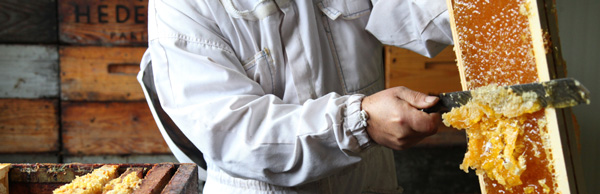
Above all, authentic honey is transparent about its origin, respectful of bees, harvested by a beekeeper, and not a standardized industrial product.

Conclusion : comment trouver “le meilleur” pour vous ?

The best honey is simply the one that suits your tastes and needs. By reading the label, checking the origin, and choosing authentic honey harvested by a beekeeper, you can be sure you're making the right choice.

Whether it's mild like acacia, more aromatic like lavender, or designed to soothe a sore throat, the best honey is the one that's right for you and respects nature.